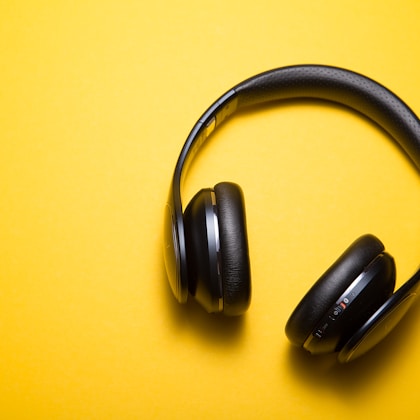
The Sony WH-1000XM6 is the best all-round noise-cancelling headphone for most frequent travelers and mixed-device users in 2026. It combines strong ANC, a roughly 254 g frame, inward folding, multipoint Bluetooth, good microphone performance, a standard 3.5 mm connection, and SBC, AAC, LDAC, and LC3 codec support.
It is not the automatic choice for everyone. Bose QuietComfort Ultra Headphones (2nd Gen) may fit more comfortably and support USB-C audio. Sennheiser MOMENTUM 5 Wireless lasts much longer per charge and offers a user-replaceable battery. Less expensive headphones are more rational if you need ANC only occasionally.
Verdict
| Buy it for | Skip it for |
|---|---|
| Strong ANC across commuting and travel | No USB-C audio |
| Foldable 254 g design and included case | Premium price for occasional use |
| LDAC, LC3, multipoint, and 3.5 mm audio | No water-resistance rating |
| Good calls and flexible app controls | Bose may fit some heads more comfortably |
The XM6 earns its position through balance. Other headphones can beat one part of the package, but few combine travel portability, codec choice, calls, battery, app controls, and wired fallback as cleanly. That matters when one pair must cover flights, commuting, office work, and home listening.
Key specifications
| Weight | Approximately 254 g / 8.96 oz |
|---|---|
| Rated battery | Up to 30 hours with ANC; 40 hours without ANC |
| Bluetooth | 5.3 with multipoint |
| Codecs | SBC, AAC, LDAC, LC3 |
| Wired audio | 3.5 mm cable; passive playback supported |
| USB-C audio | No |
| Travel design | Folds inward; protective case included |
| Water rating | None stated |
Noise cancellation and travel
Sony positions the XM6 as an adaptive noise-cancelling flagship, and independent tests support its place near the top of the category. The important practical point is not a single score. It is that the headphone combines strong low-frequency reduction for engines and HVAC with useful isolation against higher-frequency sounds from a good ear-cup seal.
No ANC headphone removes every conversation or sudden sound. Fit changes the result, and glasses can break the seal around the pads. For flights, Sony also provides an atmospheric-pressure optimizer, inward folding, a protective case, and a 3.5 mm cable. Those details make the XM6 easier to use as a complete travel system than a non-folding wireless headphone.
The standard cable matters because many seatback systems still use analog audio. The USB-C port cannot carry audio, so bring the included cable rather than assuming a charging cable will work. Our airplane travel headphone guide compares Sony with Bose, Sennheiser, and lower-cost alternatives.
Comfort, controls, and build
At about 254 g, the XM6 is lighter than Bose Ultra 2 and Sennheiser MOMENTUM 5. Lower weight helps over long sessions, but head shape, clamp force, heat, and pad contact still determine comfort. Sony's return to an inward-folding hinge is a material improvement over the WH-1000XM5 for people who carry headphones every day.
The mostly closed over-ear design is not intended for workouts, rain, or heavy sweat, and Sony does not provide an IP rating. Touch controls and app-based customization offer flexibility, but buyers who prefer only physical buttons may find a simpler Bose QuietComfort or budget JBL easier to operate without looking.
Sound and Bluetooth codecs
The XM6 supports the broadest codec set among the two main ANC flagships in this cluster: SBC and AAC for universal compatibility, LDAC for compatible Android devices, and LC3 for supported Bluetooth LE Audio setups. Codec availability depends on the source device and settings, so an iPhone will not use LDAC.
Sony's app provides EQ and sound controls, which matters because no stock tuning suits every listener. Independent reviews generally describe the XM6 as capable and adjustable rather than a neutral studio monitor. Buyers who put music reproduction above ANC and portability should also compare Sennheiser MOMENTUM 5 Wireless.
Calls, multipoint, and daily use
Multipoint lets the XM6 stay connected to two devices, which is useful for a laptop and phone. SoundGuys identifies microphone performance as a strength, making Sony one of the safer all-round choices for people who mix meetings, travel, and music. Wind and unpredictable street noise can still challenge any Bluetooth headset.
The advantage over cheaper headphones is not simply that calls are possible. It is the combination of multipoint, app control, ANC, transparency, and microphone processing in one device. If calls are the main use and music is secondary, a dedicated office headset with a boom microphone may still be more reliable.
Battery and wired fallback
Sony rates the XM6 for up to 30 hours with noise cancellation and 40 hours without it. That is enough for long-haul travel with margin, but it is well behind the 57-hour ANC rating of Sennheiser MOMENTUM 5. Volume, calls, LDAC, and feature use can reduce runtime.
The supplied 3.5 mm cable provides a useful fallback, including passive playback when the battery is empty. This is different from USB-C audio: the XM6 USB-C port charges the battery but does not act as a digital audio connection. Bose Ultra 2 is the better fit when digital USB listening is part of the purchase decision.
Best alternatives
| Alternative | Choose it when | Main tradeoff |
|---|---|---|
| Bose QC Ultra Headphones (2nd Gen) | Bose fits better or USB-C audio matters | Heavier and less codec flexibility |
| Sennheiser MOMENTUM 5 Wireless | Battery, sound, and a replaceable battery lead | About 290 g and less compact |
| Soundcore Space 2 | Travel features matter but flagship pricing does not | ANC, sound, and calls are less flagship-polished |
| Soundcore Space One | The older model is deeply discounted | Superseded design and soft pouch |
Who should buy it?
Buy the XM6 if one headphone needs to cover several jobs. It makes the most sense for frequent travelers, commuters, remote workers, and Android users who will use LDAC. The combination of inward folding, a protective case, multipoint, calls, and analog fallback is more important than any single specification.
Skip it if you need only occasional quiet. Soundcore Space 2, 1MORE SonoFlow Pro HQ51, or a discounted older model may solve the problem at a much lower cost. Also skip it when USB-C audio, a water-resistance rating, or the longest possible battery is a hard requirement.
Frequently asked questions
Is the Sony WH-1000XM6 worth buying in 2026?
Yes, for frequent travelers and mixed-device users who want strong ANC, a foldable design, good call performance, multipoint, and broad Bluetooth codec support in one package. It is harder to justify for occasional use or when USB-C audio is required.
Does the Sony WH-1000XM6 support USB-C audio?
No. The USB-C port is for charging. Audio is available over Bluetooth or the supplied 3.5 mm cable, and passive wired playback works when the battery is empty.
How long does the Sony WH-1000XM6 battery last?
Sony rates the WH-1000XM6 for up to 30 hours with noise cancellation on and up to 40 hours with it off. Calls, volume, codecs, and other features can reduce real runtime.
Should I buy Sony WH-1000XM6 or Bose QuietComfort Ultra 2?
Choose Sony for lower weight, LDAC and LC3 support, and the more flexible all-round feature set. Choose Bose when its fit is more comfortable or USB-C audio is important.
 Sony XM6 vs Bose Ultra 2
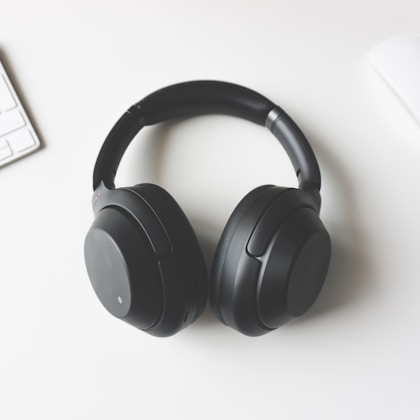 Best Headphones for Flights
 Best ANC Headphones