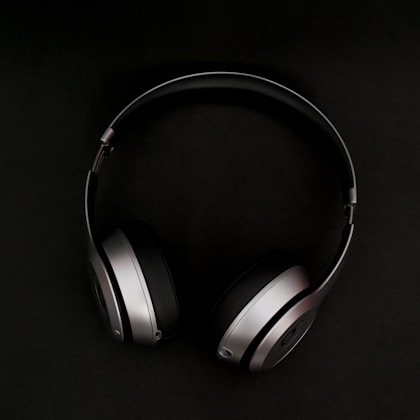
Choose the Sony WH-1000XM6 for the more flexible all-round package; choose the Bose QuietComfort Ultra Headphones (2nd Gen) when long-session comfort and USB-C audio matter more. Both are rated for up to 30 hours with ANC, both fold inward, both support multipoint, and both include protective cases.
The differences become clearer around device matching. Sony supports SBC, AAC, LDAC, and LC3 and weighs about 254 g. Bose supports Bluetooth 5.4, lossless-compatible USB-C audio at 16-bit/44.1 or 48 kHz, and weighs about 264 g. Neither specification sheet can tell you which headband and ear-cup shape will fit you better.
Verdict at a glance
| Category | Sony WH-1000XM6 | Bose QC Ultra (2nd Gen) | Edge |
|---|---|---|---|
| ANC battery | Up to 30 hours | Up to 30 hours | Tie on rating |
| Weight | About 254 g | About 264 g | Sony |
| Bluetooth | 5.3; SBC, AAC, LDAC, LC3 | 5.4; multipoint | Sony for codec choice |
| USB-C audio | No | Yes | Bose |
| Analog cable | 3.5 mm | 3.5 mm to 2.5 mm | Both |
| Foldable case | Yes | Yes | Tie |
| Best fit | Mixed devices and feature control | Comfort-first travel and USB-C listening | Depends on use |
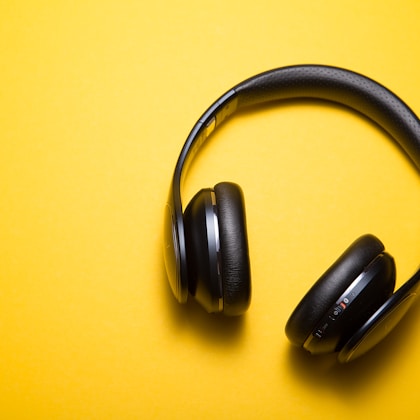
Sony WH-1000XM6
Pick Sony for broader codec support, slightly lower weight, multipoint, a standard 3.5 mm input, and a strong mix of travel, call, and app features. It is the easier recommendation for people moving between Android, iOS, Windows, and other sources.
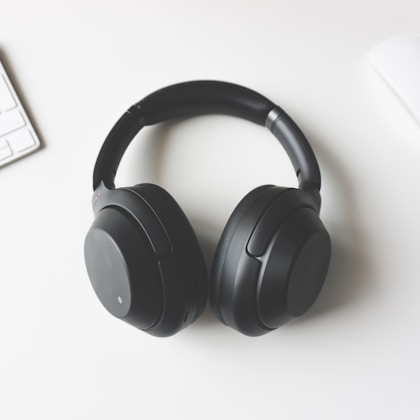
Bose QuietComfort Ultra Headphones (2nd Gen)
Pick Bose if its plush fit works better for your head, or if USB-C audio is part of your daily setup. Bose also supports multipoint and analog listening, while Cinema Mode and Immersive Audio add options for movies and spatial presentation.
Noise cancellation
Both models target premium travel ANC, but manufacturer claims are not directly comparable measurements. The meaningful buying question is how each handles your fit, pressure sensitivity, wind, and transparency preferences. A poor ear-cup seal from glasses or hair can reduce isolation regardless of the processing.
Bose lets you turn noise cancellation off or adjust it through the app and uses ActiveSense in Aware Mode to respond to sudden noise. Sony provides Adaptive NC Optimizer, atmospheric-pressure optimization, Quick Attention, and automatic ambient-sound behavior.
Comfort and travel
Sony is roughly 10 g lighter, but weight alone does not determine comfort. Bose's cushion shape and headband are the stronger reason to choose it. Both fold inward and ship with cases, so neither repeats the packing disadvantage of the non-folding Sony XM5 design.
For a broader flight decision that also includes Sennheiser, Soundcore, and standard Bose QuietComfort, see our best noise-cancelling headphones for airplane travel.
Sound, codecs, and wired listening
Sony has the broader wireless codec list, including LDAC and LC3. That matters most for compatible Android devices; iPhones use AAC. Bose's advantage is USB-C audio from compatible devices at 16-bit/44.1 or 48 kHz, while both models include analog cables for sources such as airplane entertainment systems.
Battery and charging
Both manufacturers quote up to 30 hours with ANC. Bose quotes 23 hours with Immersive Audio enabled and 45 hours with ANC off. Sony quotes up to 40 hours with noise cancellation off. Volume, calls, codecs, temperature, and spatial features can reduce actual runtime.
Calls and multipoint
Both can stay actively connected to two devices, which is useful when moving between a phone and laptop. Call performance changes with wind, room echo, firmware, and source devices, so the spec sheets cannot establish an absolute microphone winner. Buy from a retailer with a practical return policy if calls are central to your workday.
Which should you buy?
| Choose Sony if... | Choose Bose if... |
|---|---|
| You use mixed devices and want LDAC or LC3 | You want USB-C wired audio |
| You prefer the slightly lighter option | Bose cushions fit you better |
| You want a standard 3.5 mm headphone input | You prefer Bose's adjustable modes and Cinema Mode |
| You want the more flexible all-round recommendation | Comfort is your first priority on long flights |
Frequently asked questions
Is Sony WH-1000XM6 better than Bose QuietComfort Ultra 2?
Sony WH-1000XM6 is the better all-round choice for most mixed-device users because it is slightly lighter and supports LDAC and LC3. Bose QuietComfort Ultra 2 is the better fit for comfort-first buyers and USB-C wired audio.
Which has better battery life, Sony XM6 or Bose Ultra 2?
Both are rated for up to 30 hours with noise cancellation enabled. Bose rates up to 23 hours with Immersive Audio on, while Sony rates up to 40 hours with noise cancellation off.
Which is better for travel, Sony XM6 or Bose Ultra 2?
Both fold inward and include protective cases. Sony is slightly lighter and has broader Bluetooth codec support, while Bose emphasizes comfort and adds USB-C audio that can be useful with compatible phones and laptops.
 Sony WH-1000XM6 Review
 Best Headphones for Flights