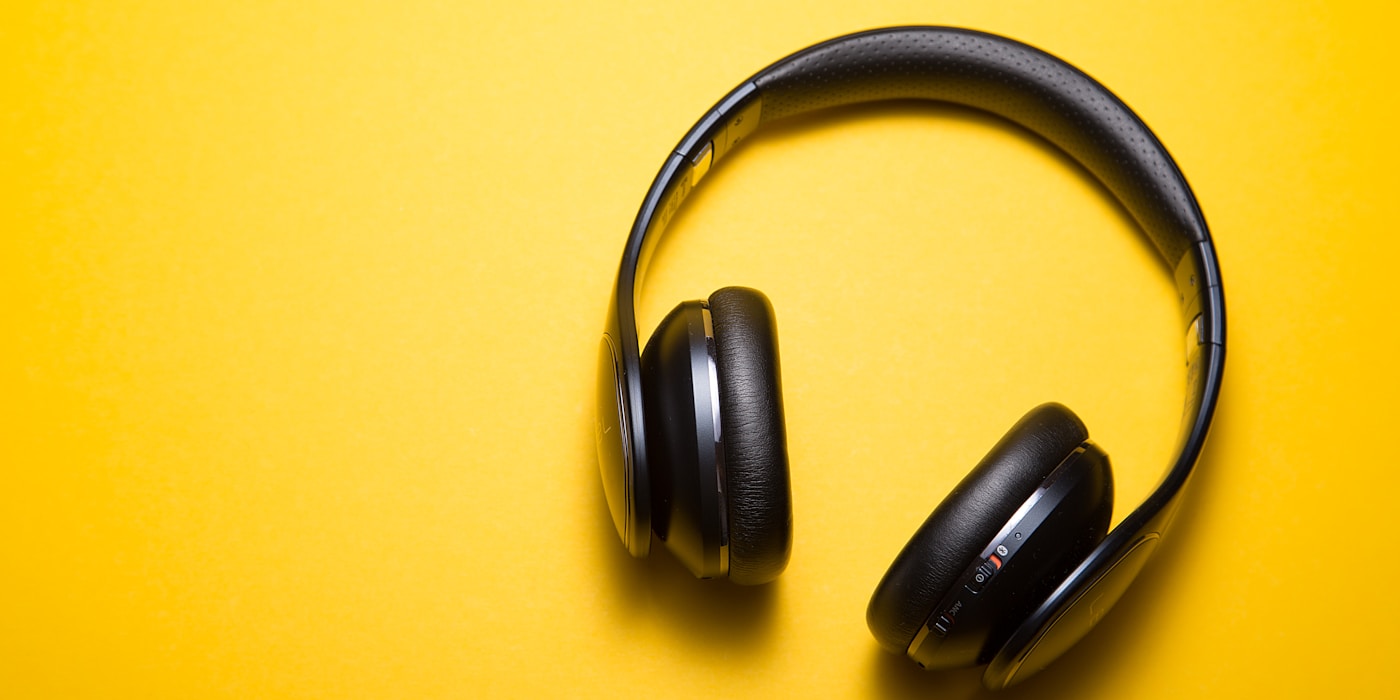
The best noise-cancelling headphones for most people in 2026 are the Sony WH-1000XM6. They combine a 30-hour rated battery with ANC on, a roughly 254 g design, multipoint Bluetooth, and a foldable frame that is easier to pack than the previous XM5.
Choose the Bose QuietComfort Ultra Headphones (2nd Gen) if long-session comfort is your first priority. Sennheiser MOMENTUM 5 Wireless is the battery-and-sound alternative, Sony ULT WEAR is for stronger bass, and standard Bose QuietComfort Headphones offer a lighter, simpler Bose option. AirPods Max (USB-C) remain the Apple-focused pick, while Soundcore Space 2 is the current step-up value choice.
ANC works best against steady low-frequency sound such as plane engines, train rumble, and fans. It can reduce voices and keyboard noise, but rarely makes them disappear. Fit and passive isolation matter almost as much as the electronics in conversation-heavy rooms.
Our picks at a glance
| Pick | Best for | ANC battery | Weight | Main tradeoff |
|---|---|---|---|---|
| Sony WH-1000XM6 | Best overall | Up to 30 hours | About 254 g | Flagship price |
| Bose QC Ultra (2nd Gen) | Comfort and flights | Up to 30 hours | About 264 g | Immersive Audio reduces runtime |
| Sennheiser MOMENTUM 5 | Battery and sound | Up to 57 hours | About 290 g | Heavier and less compact |
| AirPods Max (USB-C) | Apple users | Up to 20 hours | About 386 g | Heavy and short battery |
| Sony ULT WEAR | Bass-heavy listening | Up to 30 hours | About 255 g | Bass emphasis is not neutral |
| Bose QuietComfort | Lightweight comfort | Up to 24 hours | About 236 g | Fewer flagship extras |
| Soundcore Space 2 | Step-up value | Up to 50 hours | About 264 g | Pouch and no USB audio |
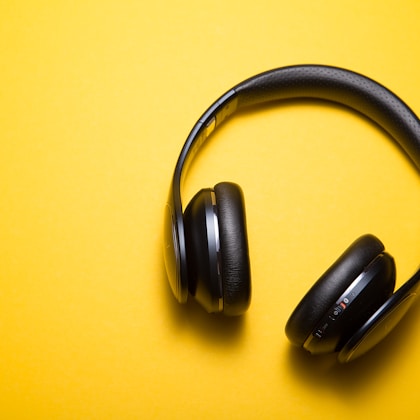
Sony WH-1000XM6
Our all-round recommendation for commuters, frequent travelers, and mixed-device users. The foldable design, multipoint connection, 30-hour ANC battery rating, passive 3.5 mm playback, and broad codec support make it the most complete current package.
Best fit: travel, commuting, calls, and mixed devices
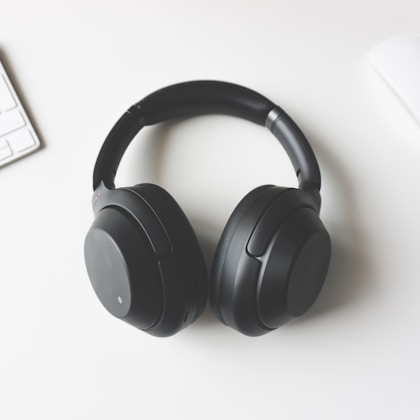
Bose QuietComfort Ultra Headphones (2nd Gen)
The comfort-first option for long flights and long work sessions. Bose rates the second-generation model for up to 30 hours with noise cancellation and Immersive Audio off, and it supports USB-C audio, Bluetooth multipoint, and analog listening.
Best fit: long flights, all-day wear, and USB-C audio
Apple AirPods Max (USB-C)
The strongest fit for people who prioritize Apple device switching, Transparency mode, Personalized Spatial Audio, and USB-C lossless audio. They are also the heaviest pick here and have the shortest official battery rating.
Best fit: iPhone, iPad, and Mac households
Soundcore Space 2
The current Soundcore value option combines low-frequency-focused ANC, inward folding, multipoint, app EQ, LDAC, analog audio, and up to 50 hours of manufacturer-rated ANC playback. The tradeoffs are a soft pouch, no USB-C audio, and less flagship polish in sound, calls, and ANC.
Best fit: travel battery, Android LDAC, and lower spending
Sennheiser MOMENTUM 5 Wireless
The sound-and-battery alternative with up to 57 hours of manufacturer-rated ANC playback, a user-replaceable battery, USB-C and analog audio, multipoint, and aptX options. It is heavier and less compact than Sony or Bose, but the long-term ownership case is unusually strong.
Best fit: battery, sound, wired flexibility, and replaceability
Sony ULT WEAR
The bass-forward choice for hip-hop, electronic music, and listeners who enjoy a stronger low end. It keeps useful Sony features such as adaptive noise cancellation, LDAC, a wired input, and up to 30 hours of rated playback with ANC, but its ULT tuning is less neutral than the XM6 or MOMENTUM 5.
Best fit: strong bass and a foldable design
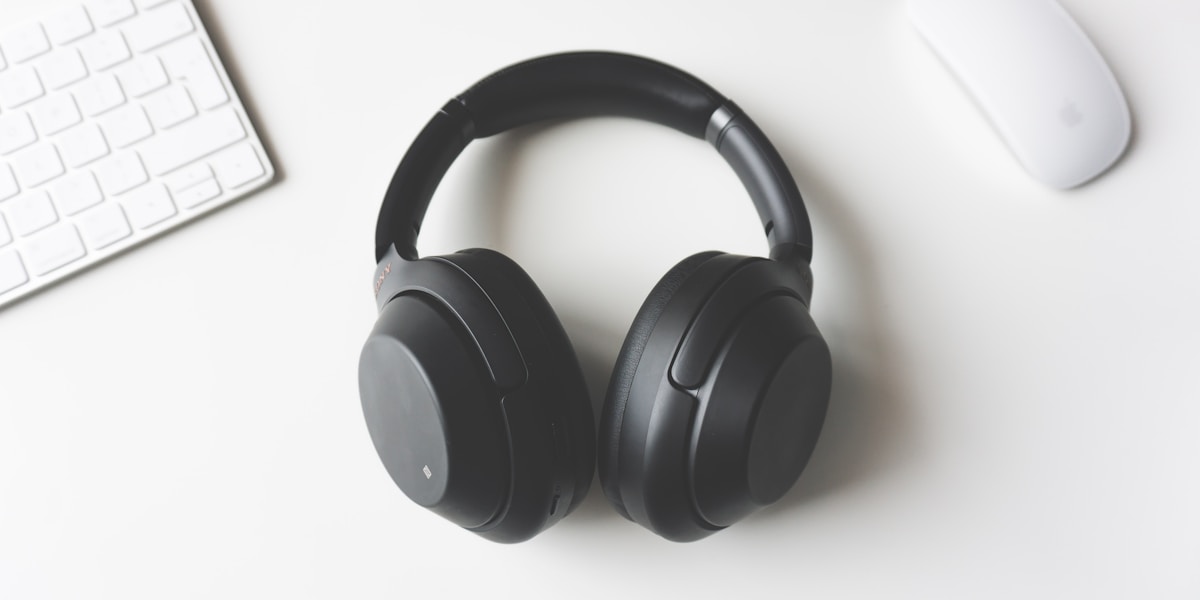
Bose QuietComfort Headphones
A simpler Bose option that weighs about 236 g and folds into a hard case. Bose rates it for up to 24 hours with noise cancellation, and the adjustable Quiet, Aware, and Custom modes make it easy to use. Choose the Ultra 2 instead for USB-C audio, longer battery life, and Bose's newer flagship features.
Best fit: lighter wear and straightforward controls
Real product parameters
| Model | Battery with ANC | Weight | Connections | Best for |
|---|---|---|---|---|
| Sony WH-1000XM6 | Up to 30 hours | About 254 g | Bluetooth 5.3, multipoint, 3.5 mm | Best overall balance |
| Bose QuietComfort Ultra (2nd Gen) | Up to 30 hours; 23 with Immersive Audio | About 264 g | Bluetooth 5.4, multipoint, USB-C audio, analog cable | Long-session comfort |
| Sennheiser MOMENTUM 5 Wireless | Up to 57 hours | About 290 g | Bluetooth 5.4, multipoint, USB-C audio, analog cable | Battery and sound |
| Apple AirPods Max (USB-C) | Up to 20 hours | About 386 g | Bluetooth 5.0, USB-C audio | Apple ecosystem |
| Sony ULT WEAR | Up to 30 hours | About 255 g | Bluetooth 5.2, LDAC, 3.5 mm | Bass-forward sound |
| Bose QuietComfort | Up to 24 hours | About 236 g | Bluetooth, analog cable | Lightweight comfort |
| Soundcore Space 2 | Up to 50 hours | About 264 g | Bluetooth 6.1, multipoint, LDAC, AUX | Step-up value |
The comparison shows why price alone is a weak shortcut. AirPods Max have the shortest battery and highest weight here, but offer the tightest Apple integration. Sennheiser leads on current rated ANC battery life, Soundcore offers the strongest step-up value mix, and Sony and Bose make fewer compromises in their intended premium use cases.
Best noise-cancelling headphones for travel
The Bose QuietComfort Ultra Headphones (2nd Gen) are our comfort-first travel pick; Sony WH-1000XM6 is the better fit when lower weight, broader codec support, and flexible device pairing matter more. Both fold inward and include protective cases, making either easier to pack than a non-folding design.
For travel, the case and folding design matter more than they seem. AirPods Max use Apple's Smart Case rather than a full protective shell, while Soundcore Space 2 includes a soft pouch. Buyers who carry headphones loose in a crowded bag may want a separate hard case.
Controls are another daily-use detail. Touch controls can feel modern, but they can misread taps in cold weather or when you adjust the ear cup. Physical buttons are less flashy and often easier on flights. If you wear gloves, travel in winter, or adjust volume often, try the controls before committing.
Our dedicated airplane travel guide compares low-frequency ANC, long-session comfort, battery, folding, cases, and seatback cables without duplicating the full broad ranking here.
Best noise-cancelling headphones for calls and office work
The Jabra Evolve3 85 is the purpose-built choice for work calls; Sony WH-1000XM6 and Bose QuietComfort Ultra 2 are the best dual-purpose options that handle both music and calls well. The decision depends on whether calls are your primary use case or a secondary one alongside commuting and personal listening.
For video calls, microphone quality, sidetone (hearing your own voice), and multipoint behavior matter more than codec support or bass response. Jabra Evolve3 85 was designed specifically for UC platforms and earned top marks in voice-calling tests from RTINGS, SoundGuys, CNET, and Tom's Guide in 2026. It uses AI-driven noise isolation on the microphone side, plus Microsoft Teams and Zoom certification.
Sony WH-1000XM6 and Bose Ultra 2 both support multipoint for laptop-plus-phone workflows and have improved their microphone arrays compared to previous generations. They are the practical picks when you want one headphone for commuting, music, and occasional meetings. For all-day conference calls in noisy open offices, a headset built for UC platforms still handles rapidly changing background noise better than a consumer ANC headphone adapted for calls.
Key features for office work:
- Multipoint: Sony, Bose, Sennheiser, Soundcore, and Jabra all support dual-device pairing. AirPods Max uses Apple's automatic switching within its ecosystem instead.
- Mute control: Physical mute buttons save fumbling in meeting apps. Jabra Evolve3 85 has a physical mute; Sony and Bose use touch controls or app toggles.
- Sidetone: Hearing your own voice prevents speaking too loudly. Jabra includes adjustable sidetone; most consumer headphones do not.
- Comfort for 8+ hours: Weight and clamping matter more in all-day wear than a 2-hour commute. Bose and Jabra prioritize extended comfort.
Our dedicated work calls guide compares microphone performance, UC certification, mute controls, and all-day comfort without repeating the full product profiles here.
Comfort is the hidden feature
Noise cancellation gets the headline, but comfort decides whether a pair becomes part of your routine. Clamp force, pad shape, heat buildup, and headband pressure are hard to judge from a spec sheet. If you wear glasses, large pads and softer foam often matter more than a small difference in ANC strength. Heavy headphones can feel luxurious for ten minutes and tiring by hour three.
The AirPods Max are the clearest example. They feel premium, the controls are excellent, and transparency mode is outstanding, but the weight is real. Some people tolerate it well because the headband distributes pressure nicely. Others feel the weight quickly. If you fly often or wear headphones all workday, try to buy from a retailer with a good return policy.
Best ANC headphones for sound quality
The Sennheiser MOMENTUM 5 Wireless is our sound-and-battery pick, while Sony WH-1000XM6 is the more flexible all-rounder. Sennheiser combines a 42 mm driver, aptX Lossless and Adaptive, app personalization, multipoint, USB-C and analog listening, a user-replaceable battery, and up to 57 hours of manufacturer-rated playback with ANC.
Sound preference is personal, and driver size or codec support does not prove that one headphone will sound better to every listener. Sony provides app EQ plus SBC, AAC, LDAC, and LC3; Bose adds USB-C audio on Ultra 2; Apple supports USB-C lossless audio; and Soundcore offers app EQ and LDAC at a lower price.
Battery and app notes
Most good ANC headphones now last long enough for a transatlantic flight, but charging behavior still matters. Quick-charge features are useful if you forget to plug in before leaving. We also prefer apps that make EQ, transparency mode, firmware updates, and ANC level easy without requiring constant notifications or account prompts.
Battery claims are usually measured under ideal conditions. Higher volume, LDAC, immersive audio, cold weather, and frequent calls can reduce runtime. If you fly often, 30 hours is a comfortable target. If you mostly commute, 20 to 24 hours can be fine as long as charging is fast and predictable.
Best noise-cancelling headphones under $100
The 1MORE SonoFlow Pro HQ51 is the first model we would compare in the under-$100 bracket. It combines up to 65 hours of rated ANC playback, LDAC, multipoint, wired listening, and a hard case. The Sony WH-CH720N is lighter, while EarFun Wave Pro and JBL Tune 770NC cover different travel and battery priorities.
Prices move, so no model is guaranteed to remain below a fixed threshold. Our best budget noise-cancelling headphones guide owns the deeper comparison. Soundcore Space One remains relevant only when it is materially cheaper than current alternatives; the full Space One review explains that discount condition.
Sony vs Bose noise cancellation: which is better?
Choose the Sony WH-1000XM6 for the more flexible all-round package; choose the Bose QuietComfort Ultra Headphones (2nd Gen) when long-session comfort and USB-C audio matter more. Both are rated for up to 30 hours with ANC, fold inward, support multipoint, and include protective cases.
We do not name a laboratory ANC winner because TestedHarbor has not measured both models under the same controlled conditions. On documented features, Sony is about 10 g lighter and supports a broader wireless codec list, while Bose adds USB-C audio and comfort-first controls. Our Sony XM6 versus Bose Ultra 2 comparison covers battery, codecs, wired listening, calls, and travel design without repeating the full comparison here.
Who should skip ANC headphones
If you mostly listen at home in a quiet room, open-back or standard wireless headphones may sound better for the money. Buy ANC for noise, travel, and focus, not because the spec sheet looks impressive. If you hate over-ear heat, consider noise-cancelling earbuds instead. If you need studio monitoring, skip consumer ANC entirely and buy something built for accuracy.
Also skip paying flagship prices if you only need occasional quiet. The 1MORE SonoFlow Pro HQ51, Soundcore Space 2, older Bose models, or discounted previous-generation headphones can be smarter buys. Flagships are best for people who use them often enough that small comfort and convenience improvements matter every week.
Codecs, latency, and device matching
Bluetooth codec support sounds technical, but the practical advice is simple. iPhone users should not buy a headphone only because it supports LDAC, because iPhones do not use it. Android users with LDAC support may benefit from Sony or Soundcore if they listen to high-quality files, though noisy environments reduce the advantage. For movies and games, latency can matter more than codec quality. Most premium headphones handle video well enough, but competitive gaming still favors wired or low-latency gaming headsets.
Device matching also affects convenience. AirPods Max are easiest inside Apple's world. Sony, Bose, and Soundcore are more flexible if you jump between Windows, Android, iOS, and work laptops. Multipoint Bluetooth sounds like a small feature until you take calls on a laptop and then need to answer your phone. If you work across two devices every day, make multipoint a required feature rather than a bonus.
Also considered
These models remain worth comparing, but each overlaps with a pick above or makes a tradeoff that is easier to avoid. Their exclusion is not a claim that they are poor headphones.
| Model | Why consider it | Why it is not a main pick |
|---|---|---|
| Sony WH-1000XM5 | Still a capable premium ANC model when meaningfully discounted | The XM6 restores inward folding and is the current all-round choice |
| Bose QuietComfort Ultra (1st Gen) | Comfortable flagship design and strong ANC | The second generation adds longer battery life and USB-C audio |
| Sennheiser Momentum 4 Wireless | Up to 60 hours with ANC and frequent discounts | MOMENTUM 5 is the current model with stronger ANC and a replaceable battery |
| Soundcore Space One | LDAC, multipoint, AUX, and long battery at a discount | Space 2 is the current inward-folding model |
| JBL Tune 770NC | Lightweight, foldable, multipoint, and up to 44 hours with ANC | Better suited to our dedicated budget ANC guide |
Frequently asked questions
What are the best noise-cancelling headphones in 2026?
The Sony WH-1000XM6 are the best all-round choice for most people. Bose QuietComfort Ultra Headphones (2nd Gen) suit comfort-first travelers, Sennheiser MOMENTUM 5 Wireless is the battery-and-sound alternative, and Soundcore Space 2 is the step-up value pick.
What are the best budget noise-cancelling headphones?
The 1MORE SonoFlow Pro HQ51 is our first under-$100 comparison because it combines long rated battery life, LDAC, multipoint, wired listening, and a hard case. The dedicated budget guide compares it with Sony, EarFun, JBL, and Soundcore.
Which noise-cancelling headphones have the longest battery life?
Among the current main picks, Sennheiser MOMENTUM 5 Wireless has the longest manufacturer-rated ANC battery life at up to 57 hours. Soundcore Space 2 follows at up to 50 hours.
Are noise-cancelling headphones worth it?
Yes, if you travel, commute, work around steady noise, or need better focus. If you mostly listen in quiet rooms, standard wireless headphones may offer better value.
Do noise-cancelling headphones block voices?
They reduce voices but rarely remove them completely. Active noise cancellation is most effective against steady low-frequency sounds such as engines, fans, and train rumble.
Are over-ear headphones better than noise-cancelling earbuds?
Over-ear headphones usually provide longer battery life and easier wired listening, while earbuds are smaller and cooler to wear. The better format depends on fit, travel space, and how long you listen. See our noise-cancelling earbuds guide for current in-ear picks.
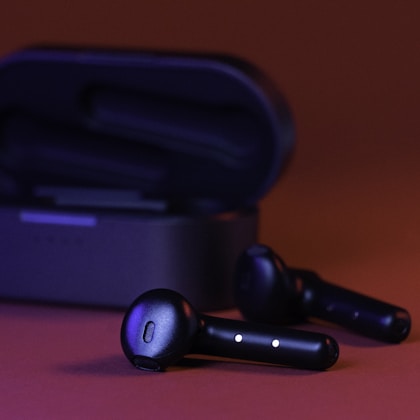 Best Noise-Cancelling Earbuds