Choose Beatbot Sora 30 for most pools when the real job is cleaning the floor, walls, waterline, and shallow platforms. Choose Sora 70 only when floating leaves, insects, or similar surface debris recur often enough to justify its surface-cleaning mode, larger basket, added modes, and roughly 3.3 pounds of extra published dry weight.
The two models share more than their names suggest. Beatbot publishes the same 6,800 GPH flow rating, 10,000mAh battery, up to five hours of floor runtime, about 4.5 hours of charging, 150-micron standard filtration, shallow-platform support, and surface parking for both. Sora 70's meaningful functional difference is active water-surface cleaning.
Verdict at a glance
Sora 30 is the better default; Sora 70 is the situational upgrade. Do not pay for Sora 70 because the table lists one more cleaning zone. Pay for it only when surface debris is frequent and you prefer one cordless machine over a separate surface skimmer.
| Decision point | Beatbot Sora 30 | Beatbot Sora 70 | Buying impact |
|---|---|---|---|
| Best fit | Routine underwater cleaning | Underwater plus recurring floating debris | Sora 30 fits more pools without paying for an unused mode |
| Cleaning zones | Floor, walls, waterline, shallow platforms | Floor, walls, waterline, surface, shallow platforms | Sora 70 adds active surface cleaning |
| Surface parking | Yes | Yes | Both float for easier retrieval; parking is not skimming |
| Published flow | 6,800 GPH | 6,800 GPH | No paper advantage |
| Published battery | 10,000mAh | 10,000mAh | No paper advantage |
| Published runtime | Up to 5 hours underwater | Up to 5 hours floor or 7 hours surface | Sora 70 adds a longer surface-mode claim |
| Published charge time | About 4.5 hours | About 4.5 hours | Tie on current specification |
| Basket | Current Beatbot pages use about 5 to 5.2 L | 6 L | Sora 70 has more published debris capacity |
| Included filter | 150 microns | 150 microns | Verify the optional 3-micron filter for fine dust or silt |
| Published dry weight | 19.6 lb | 22.9 lb | Sora 30 is about 3.3 lb lighter before retained water |
| Published warranty | 2 years | 3 years | Sora 70 has the longer stated coverage |
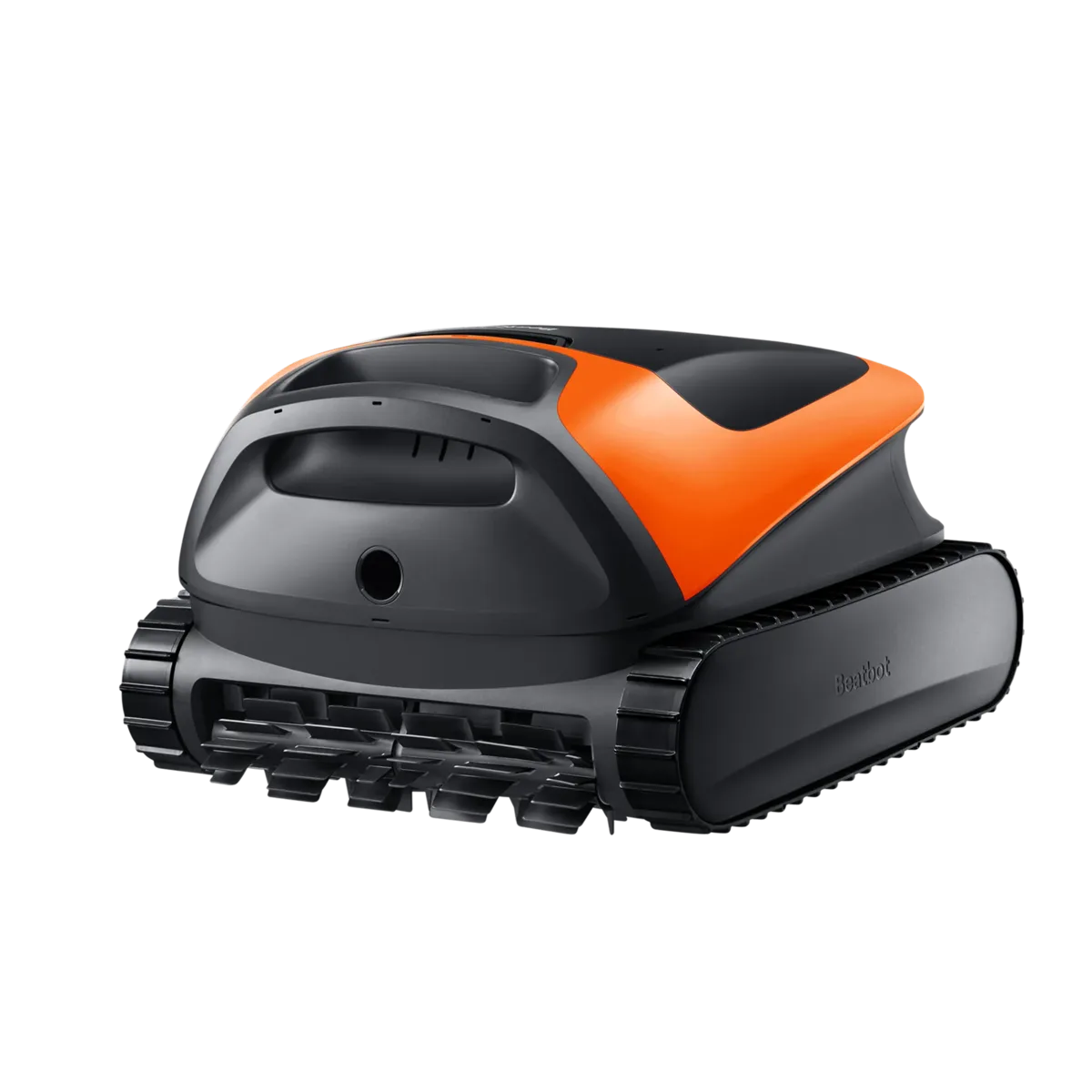
Beatbot Sora 30
Official specs plus independent hands-on evidenceBuy Sora 30 when surface debris is occasional and broad underwater cleaning is the priority. It retains the shared battery, flow rating, floor-runtime claim, shallow-platform support, and surface retrieval without adding a skimming mode you may not use.
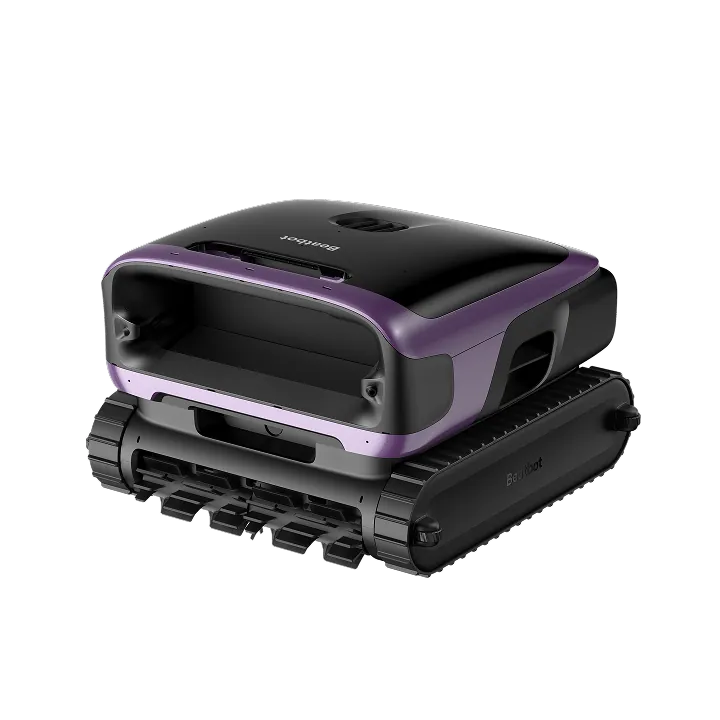
Beatbot Sora 70
Official specs plus mixed independent observationsBuy Sora 70 when the pool regularly collects floating leaves or insects and you prefer one all-in-one cordless robot. Its larger basket and longer warranty are useful secondary differences, but surface performance can depend on debris type and conditions.
What does the independent evidence actually show?
The available tests support useful cautions, not a direct winner. WIRED tested Sora 30 for the better part of a week with organic and synthetic debris and reported strong routine coverage, roughly 4.5 hours of observed runtime, and easy floating retrieval. It also reported a persistent miss in one sharp corner and a basket that was harder to rinse than expected.
PCWorld tested Sora 70 separately. Its dedicated floor-and-wall cycle removed nearly all of the test debris in that pool, while the combined Pro mode left more behind. Surface collection also changed with the material: thicker floating leaves were easier to collect than petals or synthetic debris that could sink. Those observations make Sora 70's surface mode conditional rather than universally superior.
Do not compare the percentages from those reviews as if both machines ran in the same pool. Geometry, water movement, debris, filter loading, selected mode, cycle duration, and test setup all changed.
Is Sora 70's surface cleaning worth it?
It is worth it only when floating debris is a recurring workload. A pool under trees, near flowering plants, or exposed to insects may benefit from a combined surface and underwater robot. A screened or lightly exposed pool may get little value from the extra mode.
Choose Sora 30
Leaves usually sink before cleaning, surface debris is occasional, or a separate skimmer already handles the top of the pool.
Choose Sora 70
Floating leaves or insects recur, one-machine convenience matters, and debris-dependent skimming is acceptable.
If surface pickup is the dominant daily problem, compare a dedicated skimmer before assuming Sora 70 is the best tool. A surface-specific machine can remain focused on the top while a separate cleaner handles the floor and walls.
Which is better for the floor, walls, and waterline?
Official specifications do not create a clear Sora 70 advantage underwater. Both models publish 6,800 GPH flow, the same battery capacity, up to five hours of floor runtime, four brushes, and support for the floor, walls, waterline, and shallow platforms.
Sora 30 therefore remains the more direct recommendation when underwater zones are the entire job. Sora 70's additional modes may change how it divides a cycle, but more modes do not prove better coverage. Pool corners, drains, slopes, wall transitions, shelf edges, and selected cycle matter more than the shared headline flow number.
What about shallow platforms and steps?
Beatbot states that both cleaners can work on shallow platforms at a minimum depth of about 8 inches, subject to a platform around 3.3 by 3.3 feet or larger. Treat that as a compatibility requirement, not a promise that every shelf will be cleaned.
Measure the water depth and usable shelf area, then note the entry slope, edge shape, nearby steps, and whether the water level changes. A robot can satisfy the published dimensions and still have difficulty climbing onto or staying on an unusual ledge.
Which handles leaves, sand, and fine dust better?
Sora 70 has the larger published basket at 6 liters. Current Beatbot material places Sora 30 around 5 to 5.2 liters. That difference is useful for a heavier visible-debris load, but basket volume does not determine fine-particle capture.
Both models list a 150-micron standard filter. Beatbot promotes an optional 3-micron filter for fine debris on compatible Sora models. Confirm the exact filter compatibility and bundle before checkout because an optional fine basket may be separate. There is no current controlled independent test proving one Sora model captures fine dust better when both use equivalent filtration.
Runtime, charging, app control, and retrieval
Both models publish a 10,000mAh battery, up to five hours of floor cleaning, and about 4.5 hours of charging. Sora 70 adds a published surface runtime of up to seven hours. Actual runtime changes with mode, pool resistance, temperature, filter loading, and firmware.
Both use surface parking after a cycle, which is different from Sora 70's active surface-cleaning mode. Sora 30 is lighter on paper at 19.6 pounds versus 22.9 pounds for Sora 70. Retained water can make either robot heavier during the first part of retrieval.
The Beatbot app is useful for mode selection, firmware, records, and compatible surface controls. Standard Wi-Fi does not provide reliable live underwater steering. Do not choose Sora 70 simply because its app presents more modes if the added surface function does not solve a real pool problem.
Final decision matrix
| Your situation | Better starting point | Why |
|---|---|---|
| Typical pool; floor, walls, and waterline are the workload | Sora 30 | Shared core specifications without paying for active surface cleaning |
| Floating leaves or insects recur through the week | Sora 70 | Only one of the two with water-surface cleaning |
| You already own a reliable surface skimmer | Sora 30 | Avoids duplicating the surface job |
| Lifting weight matters | Sora 30 | About 3.3 lb lighter by published dry weight |
| Large visible-debris load | Sora 70 | Larger published basket, subject to cycle and debris conditions |
| Fine silt is the main problem | Neither wins by model alone | Confirm the optional 3-micron filter and pool-specific coverage |
| You want the longer published warranty | Sora 70 | Three years versus two years, subject to current terms and seller |
| Surface cleaning matters more than underwater cleaning | Compare a dedicated skimmer | A surface-specific tool may fit a continuous floating-debris workload better |
Frequently asked questions
What is the main difference between Beatbot Sora 30 and Sora 70?
Sora 70 adds water-surface cleaning, a 6-liter basket, more surface-oriented modes, and a three-year warranty. Sora 30 focuses on the floor, walls, waterline, and shallow platforms, is about 3.3 pounds lighter by published dry weight, and has a two-year warranty.
Does Beatbot Sora 30 clean the water surface?
No. Sora 30 can float to the surface for easier retrieval after a cycle, but surface parking is not the same as water-surface cleaning. Sora 70 adds a mode intended to collect floating debris.
Is Beatbot Sora 70 worth the upgrade over Sora 30?
Sora 70 is worth comparing when floating leaves, insects, or similar surface debris are a recurring problem and one all-in-one robot is preferable to a separate skimmer. For routine floor, wall, waterline, and shallow-platform cleaning, Sora 30 is the more direct starting point.
Which is better for leaves, Sora 30 or Sora 70?
Both can collect submerged leaves, but only Sora 70 is designed to collect floating debris. Independent testing found that its surface result changed with debris type, so a dedicated skimmer can still be better when continuous surface pickup is the main job.
Which Beatbot Sora model is easier to lift?
Sora 30 is lighter by published dry weight at 19.6 pounds, compared with 22.9 pounds for Sora 70. Both can retain water during retrieval, so the real lifting load can exceed the dry specification.
Do Sora 30 and Sora 70 clean shallow platforms?
Beatbot publishes shallow-platform cleaning for both models at a minimum depth of about 8 inches and subject to platform-size requirements. Pool shape, edges, slopes, and water level can still affect whether a robot reaches and stays on a shelf.
Do Sora 30 and Sora 70 have the same battery and suction rating?
Beatbot publishes the same 10,000mAh battery, 6,800 GPH flow rating, up to five hours of floor cleaning, and about 4.5 hours of charging for both models. Those shared figures do not guarantee identical coverage in different pools or modes.
- Manufacturer specifications and compatibility: current Beatbot US pages for Sora 30 and Sora 70, checked August 10, 2026.
- Independent Sora 30 evidence: WIRED's April 2026 hands-on review.
- Independent Sora 70 evidence: PCWorld's March 2026 hands-on review.
- Images: current Beatbot US product pages. Product appearance, included filters, accessories, specifications, firmware, and bundles can change.
This page does not claim a TestedHarbor lab test or direct side-by-side pool run. Confirm the exact model, filter, seller, warranty, and current US listing before buying.
Bottom line
Start with Sora 30. Move to Sora 70 only when recurring floating debris makes surface cleaning a purchase requirement rather than a feature that sounds useful. If the pool's top is the dominant problem, compare a dedicated skimmer before buying either all-in-one path.
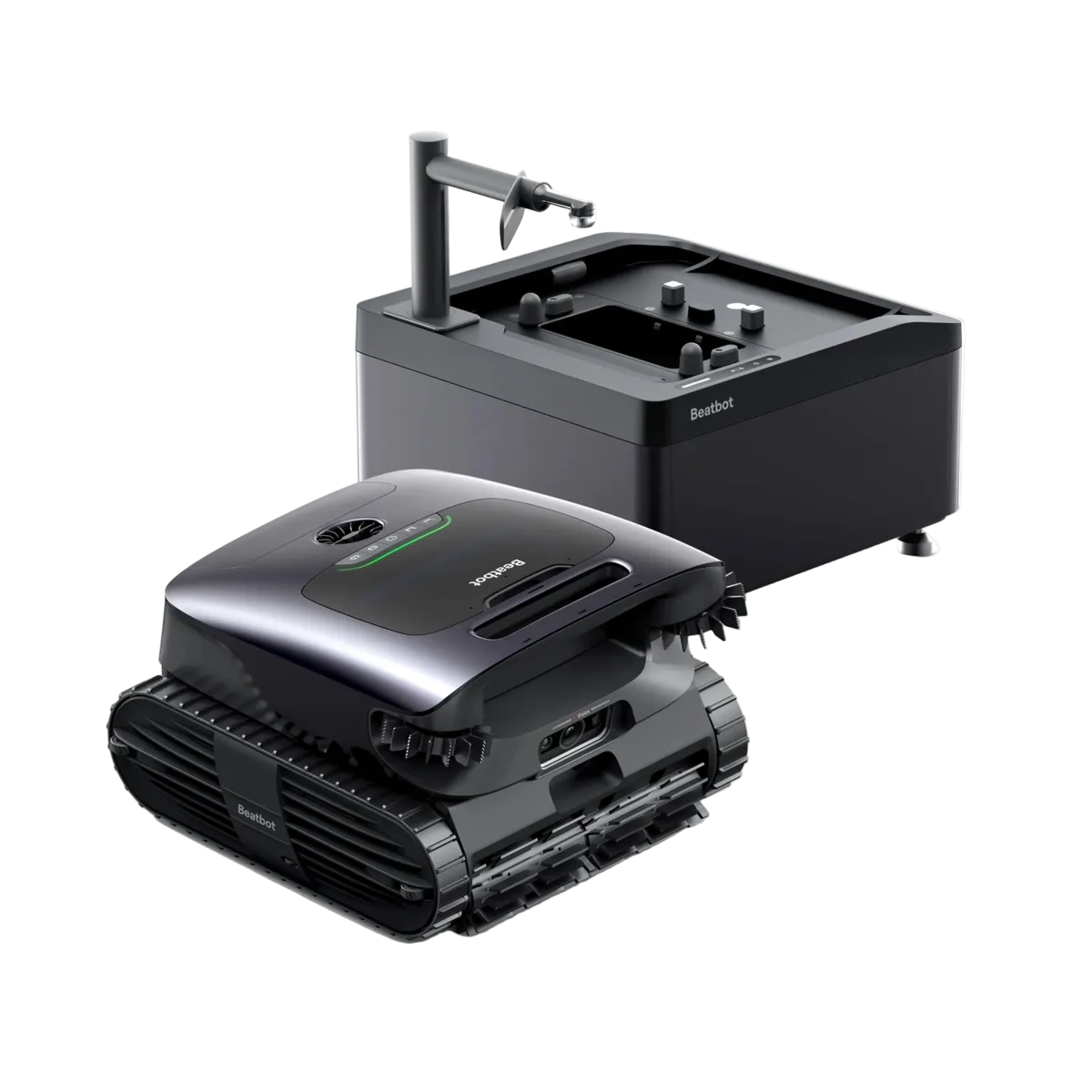 Beatbot Pool Cleaner Review
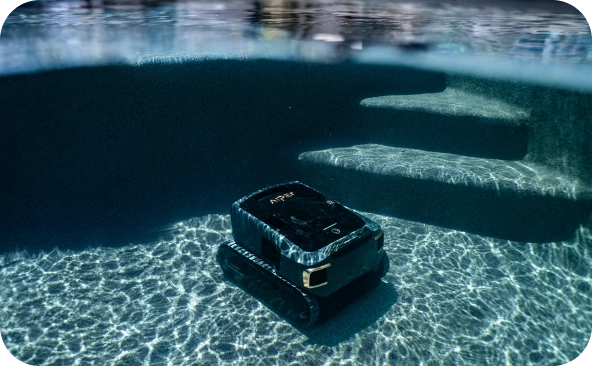 Aiper Pool Cleaner Review